WebMail
  LiveChat
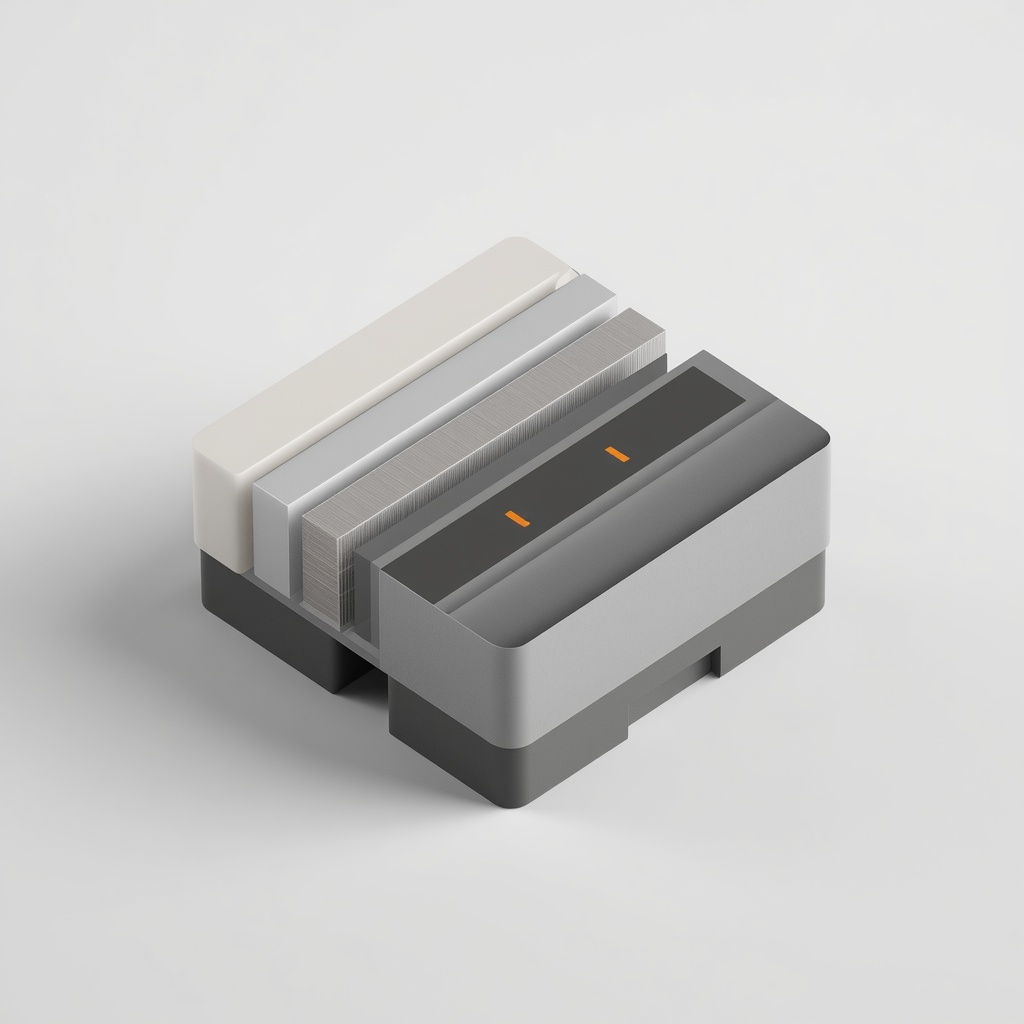
3D Printing Materials Explored: Comprehensive Guide for Engineers
3D Printing Materials Explored: Comprehensive Guide for Engineers
Introduction to 3D Printing Materials
The advancements in 3D printing technology have brought about a diverse array of materials that can be utilized, ranging from plastics to metals and even organic substances. This guide will delve into the most commonly used materials in the industry to help you make informed decisions regarding your product design and prototyping projects in Miami.
Types of 3D Printing Materials
Polymers
Polymers are the most common materials used in 3D printing. They offer flexibility, durability, and versatility, making them ideal for a wide range of applications. Popular polymer materials include:
- PLA (Polylactic Acid) – Known for ease of use and environmentally friendly properties.
- ABS (Acrylonitrile Butadiene Styrene) – Valued for impact resistance and durability.
- Nylon – Offers impressive strength and flexibility, suitable for highly functional prototyping.
Metals
Transitioning from polymers to metals can significantly enhance the strength and functionality of your products. Key metals used in 3D printing include:
- Stainless Steel – Combines strength with aesthetic appeal, often used in engineering applications.
- Aluminum – Lightweight and robust, perfect for prototype designs requiring good thermal properties.
- Titanium – Known for its incredible strength-to-weight ratio, useful in aerospace and medical industries.
Ceramics
Ceramic materials are distinguished by their high heat resistance and aesthetic qualities. Although challenging to print, they are indispensable in some niche applications.
Resins
Resins are liquid-based photopolymers used primarily in stereolithography (SLA) printing. They are perfect for applications where detailed, smooth surface finishes are needed.
Composites
Composites combine multiple materials to leverage the benefits of each, resulting in a product that meets specific engineering criteria. Examples include carbon fiber or wood-filled PLA.
Benefits of Using Diverse 3D Printing Materials
Choosing the right material can have significant benefits for your product engineering and prototyping efforts, including:
- Cost Efficiency – Material choice affects the overall cost of 3D printing projects, enabling budget management for company resources.
- Product Performance – The material determines the functional and aesthetic properties of your products, gauging suitability for various use cases.
- Prototyping Speed – Selection of easily printable materials can expedite the prototyping process, a valuable asset in rapid product development in Miami.
- Environmental Impact – Some materials offer recyclable properties, aligning with modern eco-friendly production values.
Partnering with Experts for Success
When navigating the diverse options available in 3D printing materials, partnering with experienced professionals such as WB Engineering in Miami can substantially unlock new opportunities.
Services offered such as:
- Customized prototyping in Miami
- Innovative product development strategies
- Expert product design consultations
can ensure the right materials are leveraged for your specific project needs, enabling efficient engineering and design solutions.
Conclusion
Understanding and utilizing the wide array of 3D printing materials affords engineers and designers the flexibility needed to bring their creative visions to life. Whether you’re engaged in product engineering in Miami or seeking to innovate your product design approach, the use of versatile materials in your prototyping endeavors will yield significant advantages. Contact WB Engineering today to take the next step in your 3D printing journey.